





0.25 CIP Points


Build back differently: Could resilient homes cut insurance premiums?
Australia has invested heavily in making homes energy efficient. Could applying the same thinking to disaster resilience help insurers reduce risk, claims and pressure on premiums? By Anna Lopata - ANZIIF senior writer As Australia heads towards another season of...
 21 Sep 2026

 4 mins read
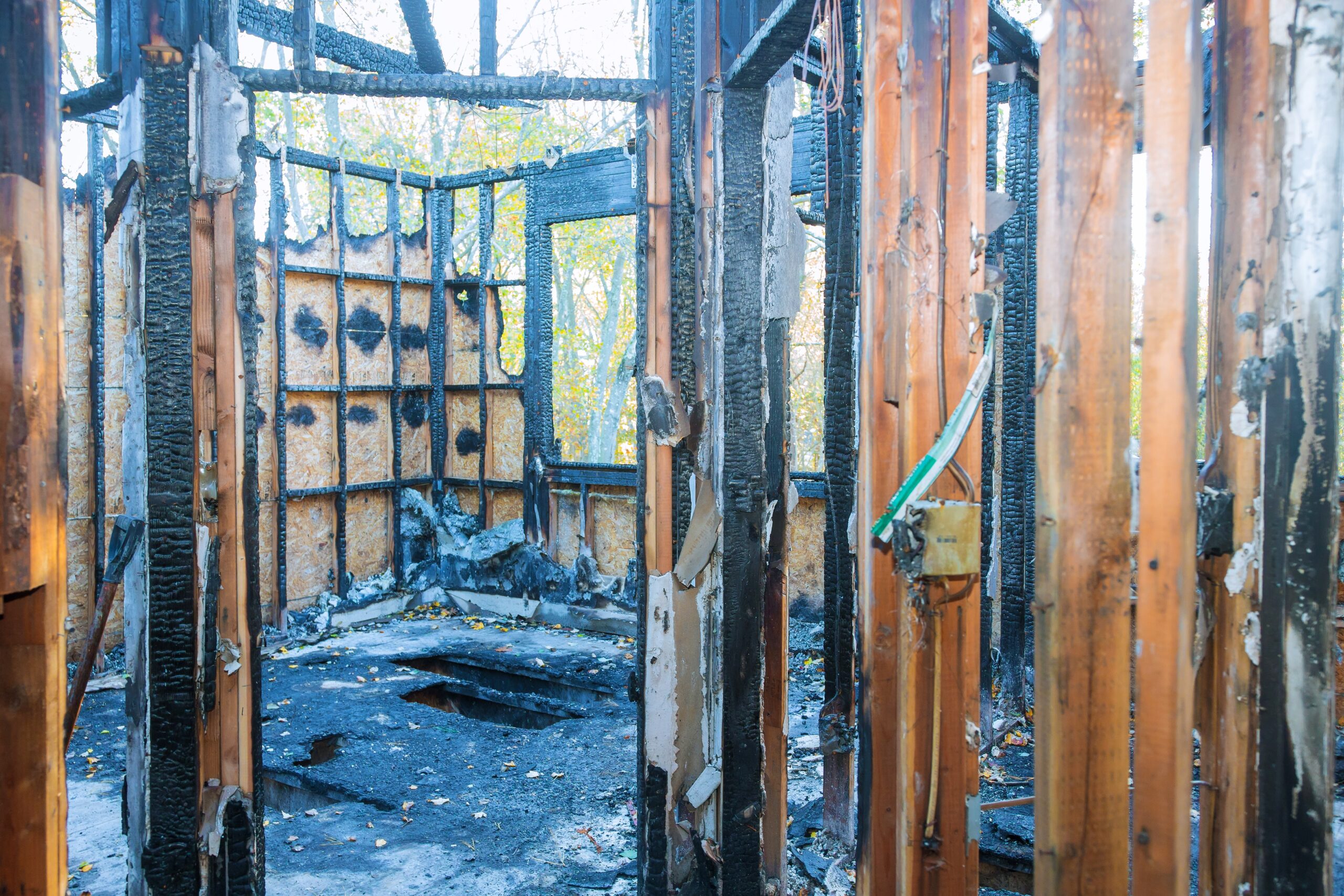
Australia has invested heavily in making homes energy efficient. Could applying the same thinking to disaster resilience help insurers reduce risk, claims and pressure on premiums?
By Anna Lopata – ANZIIF senior writer
As Australia heads towards another season of bushfires, floods and severe storms, homeowners are accustomed to hearing about the risks their properties face. What they are much less likely to know is how their individual home would actually perform when disaster arrives.
Kate Cotter, Founder and CEO of the Resilient Building Council (RBC), says Australia has made enormous progress in measuring and improving household energy efficiency, but has yet to fund and scale an equivalent system for disaster resilience.
“People have a clearer understanding of the energy efficiency of their dishwasher than they do on the resilience and insurability of their home, which is most people’s largest asset,” she says.
Closing that information gap could have implications well beyond safer homes. It could provide another tool for differentiating and pricing risk, while making repairs and rebuilding an opportunity to reduce the severity of future losses.
The missing piece in Australian housing
Australia’s minimum construction standards already contain requirements for homes in areas exposed to bushfire, cyclone and flood.
But Cotter says these are largely designed around protecting life rather than minimising property damage, preserving insurability or enabling buildings to recover quickly after disasters.
That contrasts sharply with the approach Australia has taken to energy efficiency.
Over two decades, energy ratings and minimum standards have been accompanied by government rebates and subsidies, finance and disclosure initiatives. Cotter argues that resilience needs a similar combination of measurement, policy and investment.
There is also scope to bring the two together.
“Rather than retrofitting the same buildings twice for energy efficiency and resilience, assessments, building works and finance could be integrated,” Cotter says.
Some improvements can serve both purposes. Sealing gaps and installing window shutters, for example, can improve energy performance while also helping protect a building against extreme weather.
Turning resilience into an insurance risk measure
One of the challenges for insurers is distinguishing the vulnerability of an individual home from the broader natural hazard risk surrounding it.
RBC’s Resilience Ratings are designed to help bridge that gap by measuring the likely performance of individual buildings against local hazards.
Cotter says the approach is already influencing insurance pricing.
“More than 50% of the insurance market are already pricing in the Bushfire Resilience Ratings to reduce premiums for resilient homes,” she says.
The principle is relatively straightforward: two houses exposed to the same bushfire hazard may not present the same insurance risk if one has been designed or retrofitted to withstand ember attack and the other has not.
An RBC-verified assessment enables insurers to differentiate between those buildings and provides homeowners with a pathway for improving their resilience and demonstrating that reduction in risk.
Insurers can then compare Ratings data, including expected damage across different event probabilities, against their own claims experience and determine how it should influence insurance pricing and availability.
There are signs elsewhere in the insurance system that physical mitigation is increasingly being recognised.
The Australian Reinsurance Pool Corporation’s Cyclone Reinsurance Pool, for example, incorporates mitigation measures including roof replacement, roof tie-downs, braced roller doors and window protection into its pricing methodology.
The opportunity is therefore not simply to identify where natural hazards are greatest, but to recognise where changes to buildings have demonstrably reduced their vulnerability.
What does a resilient home actually look like?
Resilience does not necessarily mean turning a house into a fortress.
Cotter says some characteristics help buildings withstand multiple hazards: strong roof-to-foundation connections, well-secured and sealed roofs, robust materials, protected windows, good drainage and the removal of gaps through which water, wind, heat or embers can enter.
For homeowners and insurers considering bushfire resilience, measures can include:
- sealing gaps around roofs, doors, windows, pipes, flues and vents, particularly because embers can enter very small openings
- installing metal ember mesh and protecting windows
- keeping gutters clear and roofs and cladding in good condition
- moving combustible objects and vegetation away from the building
- replacing combustible materials near the house with alternatives such as metal, masonry or fibre cement.
For flood resilience, measures can include:
- locating occupied areas above expected flood levels where possible
- elevating electrical services and appliances
- using materials that can withstand inundation and be cleaned and dried
- installing two-way flaps to help balance water pressure
- using removable wall components to allow cavities and timber framing to dry
- improving drainage and landscaping so water does not remain against the building.
Importantly, not every intervention carries a major price tag.
“The cheapest way to increase resilience is before a home is built,” Cotter says. But planned renovations and routine repairs also provide opportunities, while relatively inexpensive measures such as sealing gaps, installing ember screens or fitting flood vents can reduce vulnerability.
Don’t rebuild the same vulnerability
Perhaps the biggest opportunity comes after a loss has already occurred.
Cotter argues that repairing a damaged building provides an opportunity to address the weakness that contributed to the damage rather than automatically restoring the property to its previous condition.
“One of the lowest incremental costs for improved resilience occurs at the point when a home is being repaired or rebuilt,” she says, “so, we’d really like to see resilient repairs and re-builds rather than like-for-like replacement.”
The implications for claims are practical.
After a flood, damaged plasterboard, flooring or other materials that need replacement could be substituted with products that are easier to clean and dry. When a storm-damaged roof is already being replaced, stronger connections and a waterproof membrane can be incorporated into the work.
“In some instances, there may be no extra cost to have more resilient outcomes,” Cotter says.
For insurers, the potential is significant. A claim becomes not simply a process of reinstating what existed before the loss, but an opportunity to reduce vulnerability to the next event; potentially reducing future damage and claims severity.
Australia isn’t starting from zero
There are already initiatives demonstrating what resilience investment can look like.
Queensland’s Resilient Homes Fund and NSW’s Resilient Homes Program have supported flood-affected homeowners through combinations of resilient retrofits, home raising, rebuilding and voluntary buybacks.
Some insurers also offer “build back better” provisions, while cyclone mitigation is recognised through the Cyclone Reinsurance Pool.
Cotter believes the problem is less an absence of activity than the lack of a coordinated system connecting the different pieces.
“Planning, building codes, retrofits, grants, finance, insurance and disaster recovery all need to reinforce each other,” she says.
Looking beyond Australia
There are also lessons overseas.
New Zealand’s building system explicitly considers natural hazards when building work occurs on hazard-prone land, while its broader climate adaptation work increasingly considers how buildings can withstand future climate conditions.
Singapore offers another model. Flood resilience is incorporated much earlier in development through requirements around minimum platform levels, protection of underground spaces and management of stormwater.
Neither provides a simple blueprint for Australia. But both reinforce an important principle: resilience can be considered before disaster occurs rather than being left principally to emergency management and recovery afterwards.
Giving homeowners somewhere to start
For existing Australian homes, however, knowing what to change remains a fundamental problem.
That is where initiatives such as RBC’s Resilience Ratings Home Assessment could play a role.
The existing Bushfire Resilience Rating tool is being expanded through a multi-hazard prototype being trialled with City of Gold Coast households, supported by NAB and IAG.
The self-assessment asks homeowners about their building and property and generates separate ratings for relevant hazards alongside a prioritised Action Plan.
Rather than presenting homeowners with an expensive all-or-nothing retrofit, recommendations include cost and impact indicators, allowing improvements to be undertaken progressively.
The Gold Coast trial itself is designed to help residents identify vulnerability to flood, bushfire, storms and cyclones and identify practical improvements.
For Cotter, however, the bigger ambition is systemic.
“From next year, we’d like to see Resilience Ratings integrated into claims and recovery processes so insurers, governments, banks and households can work from the same system,” she says.
As natural hazard risk places increasing pressure on homes and insurance, the question may no longer be simply how Australia pays for the next recovery.
It is whether every dollar spent repairing, renovating or constructing a home can also help make the next claim less likely and less costly.

0 Comments