


0.25 CIP Points


Is your success holding you back? Michael McQueen’s challenge to insurance
Past success can leave insurance businesses defending habits that no longer serve them. Ahead of ANZIIF’s 2027 Summit, Change strategist Michael McQueen explains why curiosity matters more than ever as change accelerates. A business model that delivers strong results. An...
 02 Nov 2026

 3 mins read
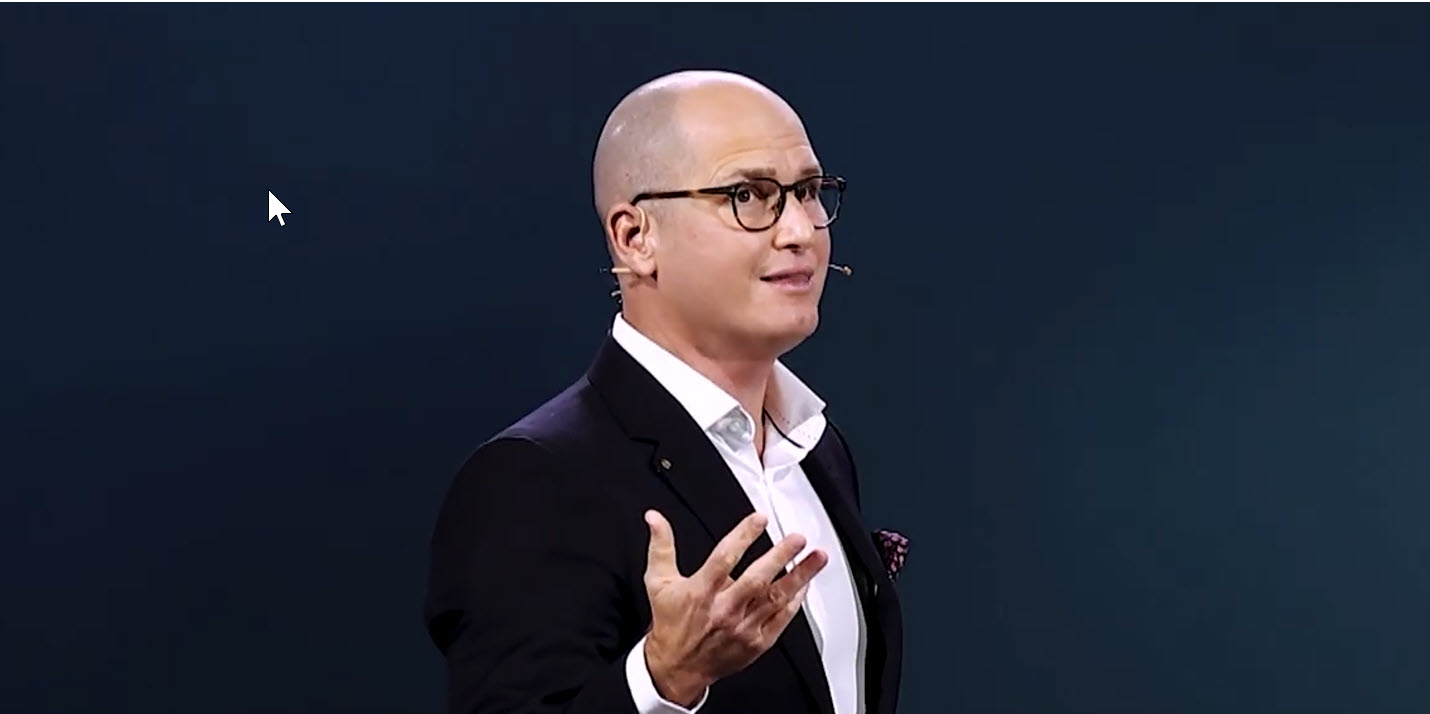
Past success can leave insurance businesses defending habits that no longer serve them. Ahead of ANZIIF’s 2027 Summit, Change strategist Michael McQueen explains why curiosity matters more than ever as change accelerates.
A business model that delivers strong results. An experienced team that knows its market. Processes refined over years of operation.
Each sounds like a reason for confidence. But change strategist Michael McQueen believes success can also make businesses vulnerable, particularly when leaders stop questioning the practices that helped them succeed.
Speaking ahead of the 2027 ANZIIF Summit, McQueen says established organisations can move almost imperceptibly from exploring opportunities to protecting familiar territory.
“You can easily move from discover mode into defend mode. And you’re defending what’s worked, you’re defending what gives you an edge, rather than asking questions consistently.”
For insurers and brokers, the challenge is recognising when experience is informing a decision and when attachment to the familiar is preventing a necessary rethink.
What are we afraid of losing?
McQueen’s interest in change began with helping young people prepare for their working lives.
Working in partnership with the New South Wales Department of Education, he developed a program exploring future skills, employment and technology. Over three and a half years, his team worked with 80,000 students.
That experience led him into workforce planning and the future of work. Increasingly, however, his attention turned to a human puzzle: why do intelligent people resist changes they recognise could benefit them?
His exploration included a short course in neuroscience at Harvard, examining resistance to change.
“The three big factors that make change feel scary are a loss of certainty, a loss of authority or a loss of dignity. The moment we feel like we’re going to lose face, lose relevance, lose power or just lose what we know, that’s when the fear kicks in.”
McQueen asserts that leaders introducing new systems or ways of working, need to keep these factors in mind when explaining the business benefits. It’s critical not to leave employees unclear or with an underlying concerns untouched about where their expertise, influence or confidence will fit.
Spot the tide beneath the waves
Being open to change also requires discernment. Leaders need to distinguish developments that will reshape their market from those attracting attention temporarily.
McQueen uses the contrast between waves and tides.
“Waves come and go, lots of noise, but they don’t leave a permanent mark. Tides are silent and pervasive, easy to miss, but they’ll change the whole shape of the coastline.”
He looks for several forces converging, such as demographic shifts, regulatory developments and technology. Their intersection can signal something more consequential than a single innovation making headlines.
Timing matters, too. Recognising a lasting shift does not mean every business should immediately commit to it.
McQueen identifies two traps: dismissing a development because it appears overhyped, or embracing it because everyone is discussing it. Both can distract leaders from assessing the relevance of a change to their organisation.
The task is to keep testing assumptions while there is still time to act.
“Adaptable organisations change before they’re forced to,” he explains. “And the way I often describe this with audiences is, that you need to dig the well before you get thirsty.”
Make room to listen
One shift McQueen believes insurance needs to watch closely is the customer experience people encounter elsewhere.
Personalised, convenient interactions with retailers and other services influence what customers expect from their insurer. Familiar paperwork and administrative steps deserve scrutiny when they make an organisation difficult to deal with.
McQueen says some of AI’s most interesting possibilities lie in creating space for better human interactions.
He recalls a demonstration of a tool designed to prepare documentation during workers compensation claims calls. By reducing the need to type while customers speak, such technology could allow claims professionals to concentrate more fully on the conversation.
“Leaders were noticing that their claims staff had more time to do the things humans do really well: listen, show empathy and use their intuition and judgement. They were hearing important nuances that maybe the client hadn’t actually said.”
The example points to a useful question for insurance businesses: where could technology give employees more time to investigate, understand and respond?
The value extends beyond completing a task faster. It includes noticing a hesitation, asking another question or recognising that a customer needs further support.
Keep exercising your judgement
Yet convenience brings its own challenge. As professionals delegate more analysis and thinking to AI, McQueen believes they need to consider which capabilities they may stop exercising.
“As we offload more and more of our thinking and analysis to AI, we also need to be mindful of what we’re losing in the process. I think we’ll hear increasingly about de-skilling; the loss of skills we’re no longer exercising.”
The question for insurers and brokers is how their people can maintain the expertise needed to interrogate outputs or recognise when something deserves closer attention.
McQueen encourages businesses to consider which activities they could outsource to AI but could deliberately choose to retain.
His priorities include judgement, empathy, intuition and creativity. Curiosity connects them: the willingness to investigate further, acknowledge uncertainty and reconsider an assumption.
Stay curious on purpose
Curiosity is also the subject of McQueen’s forthcoming book, Radical Curiosity, which he expects to launch around the time of the Summit.
He rejects the assumption that curiosity belongs mainly to younger people, having encountered people in their twenties who resist unfamiliar ideas and people in their eighties who actively seek them out.
Nurturing that openness to new ideas, he argues, takes effort.
“Maintaining that attitude of always learning really requires intentional effort regardless of your age. It means staying humble and embracing different perspectives or ways to approach things even when it is a bit unfamiliar.”
For busy insurance professionals, the Inaugural ANZIIF Summit offers an opportunity to make that effort deliberately: stepping away from daily delivery, encountering a wide range of views, and examining assumptions with industry peers.
McQueen sees value in both the challenge and the encouragement those conversations provide.
“The ANZIIF Summit is an opportunity for learning, sharpening thought processes and being challenged,” he says. “It’s a platform for getting validated and encouraged. Those are the great things that come out of events that you just can’t get just by reading an industry white paper on the state of play in the sector.”
Hear Michael McQueen speak at the 2027 ANZIIF Summit and bring fresh questions to the decisions shaping your business.

0 Comments