





0.25 CIP Points


Rising seas: Holistic adaptation strategies for our coastlines
A set of guidelines being developed for at-risk regions and towns in South Australia forms a best-practice approach for everybody in the risk-adaptation space. As threats from rising sea levels, extreme weather events, erosion and bushfires continue to increase, adaptation...
 17 Oct 2024

 3 mins read
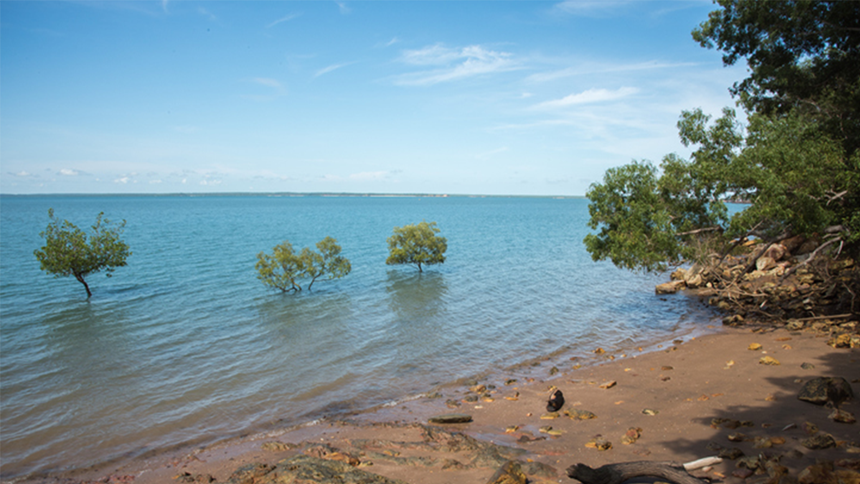
A set of guidelines being developed for at-risk regions and towns in South Australia forms a best-practice approach for everybody in the risk-adaptation space.
As threats from rising sea levels, extreme weather events, erosion and bushfires continue to increase, adaptation planning has moved to the forefront of government planning efforts.
There is powerful evidence of its necessity. The NSW Reconstruction Authority’s State Disaster Mitigation Plan, for example, reported that since 2019, “NSW residents have endured more than 65 declared disasters costing the government more than $6 billion, with more than 20,000 homes damaged in 2022 alone”.
The plan pointed out that if an adaptation strategy is not implemented, the cost of disasters in New South Wales will hit A$9.1 billion annually by 2060, including damage to homes and infrastructure.
At federal, state, and particularly local government levels, there is strong recognition of the pressing need for greater risk reduction and resilience planning, as opposed to response and recovery. In other words, we need to do more to avoid the problem rather than react to it.
“Historically, around 97 per cent of disaster funding has been spent on response and recovery with only 3 per cent on reducing risk,” the plan says.
This needs to change, agrees Annabel Sandery, coastal lead and adaptation specialist at engineering, project delivery and professional services firm Hatch. Such funding would be better steered towards resilience and adaptation planning in regions acute to the threat of coastal disasters, she says.
“There are tangible solutions, from living shorelines [protected, stabilised coastal edge made of natural materials such as plants, sand or rock] through to co-ordinated stakeholder engagement that brings together local communities and government bodies to ensure planning and implementation of coastal projects are inclusive,” says Sandery, who is currently developing South Australia’s Coastal Hazard Adaptation Planning Guidelines in partnership with state and local government.
“It means establishing clear governance structures and flexible implementation models that account for different coastal, council and community contexts, and integrating advanced tech and expertise to ensure innovative and sustainable solutions are harnessed to manage the coastal risks best.”
Hard protection is the last option
When people think of coastal adaptation, they often imagine large infrastructure projects, such as seawalls, designed to keep the threat at bay.
While such structures can sometimes prove necessary, Sandery says, they should be considered the last option.
“When we’re working through the adaptation planning process, there’s a hierarchy in the guidelines that indicates the order in which you need to consider options,” she says.
“Hard protection options are the last. Instead, you must consider whether we can accommodate in any way. Can we retreat in any way? Are there any nature-based options that can work? If we are looking at hard-engineered options, such as seawalls, that should be because we have not been able to make any of the other options work. This is much harder to do in areas where seawalls already exist.”

0 Comments