





0.25 CIP Points


Underwriting starts with better questions, says Zurich’s Matthew O’Sullivan
Zurich Australia & New Zealand Chief Underwriting Officer Matthew O’Sullivan says underwriting isn’t about saying no. As MC of ANZIIF’s GI Breakfast, he expects a lively debate on who is really driving change. By Anna Lopata - ANZIIF Senior Writer...
 13 Jul 2026

 3 mins read
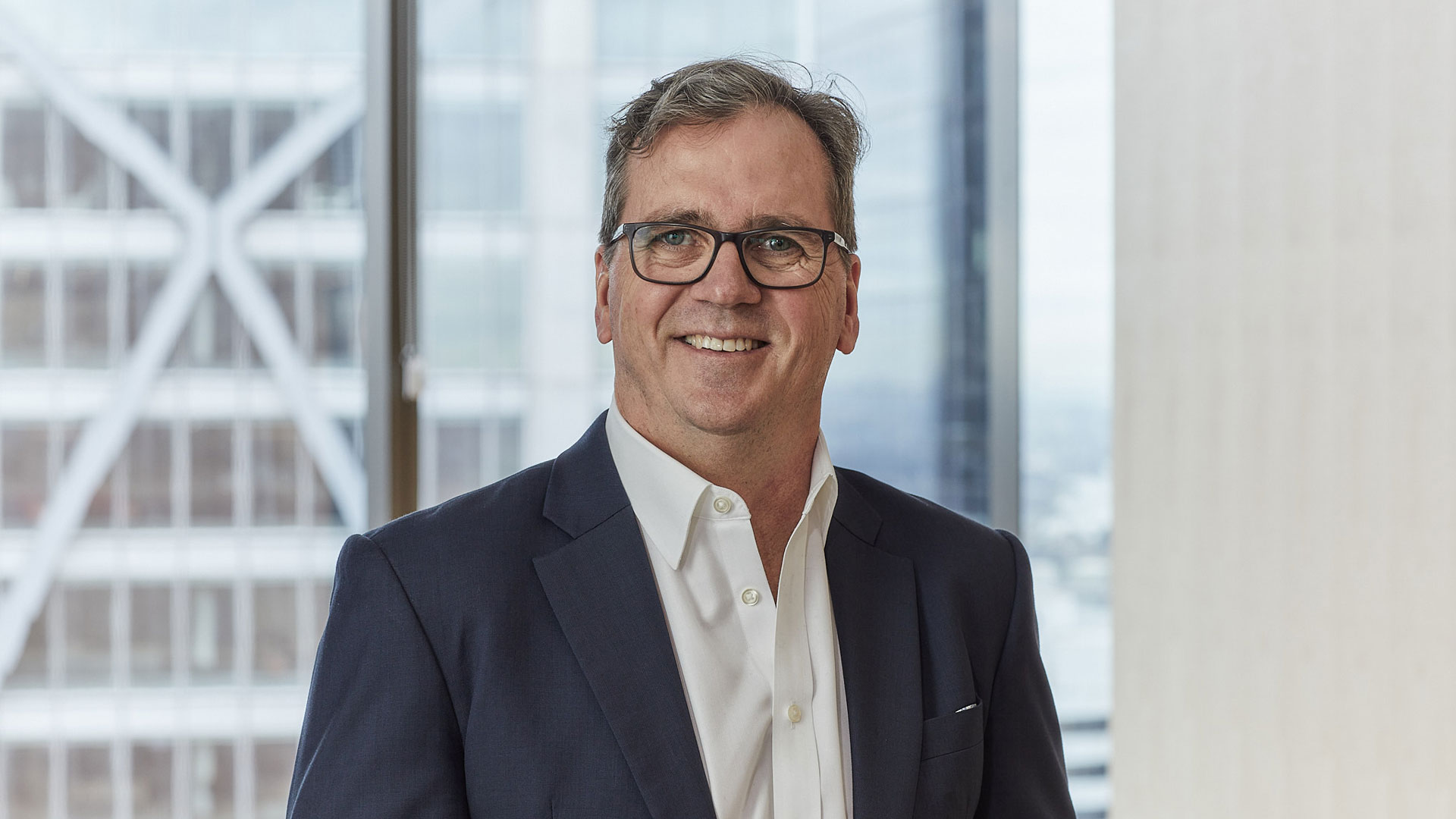
Zurich Australia & New Zealand Chief Underwriting Officer Matthew O’Sullivan says underwriting isn’t about saying no. As MC of ANZIIF’s GI Breakfast, he expects a lively debate on who is really driving change.
By Anna Lopata – ANZIIF Senior Writer
Underwriters have long been cast as the industry’s gatekeepers. The professionals who put the brakes on ambitious ideas. The people whose job is to say no.
Matthew O’Sullivan has never seen it that way.
“Underwriters aren’t the people who say ‘no’,” says the Zurich Australia & New Zealand Chief Underwriting Officer. “They’re the people who say, ‘Yes, but have you thought of this?'”
It is a deceptively simple distinction, but it goes to the heart of how O’Sullivan thinks about risk, leadership and the next chapter of general insurance.
Enabling progress
After several decades in underwriting, he is not nostalgic about the industry he entered. Nor is he dismissive of the change now reshaping it.
For O’Sullivan, the work has always been about enabling progress, but doing so with discipline, transparency and enough curiosity to keep asking better questions.
“I believe we have a responsibility to ensure every decision made has the best outcome for the customer,” he says.
“Our role is to engage with risk thoughtfully, sometimes by mitigating it through specific actions or terms, and sometimes by accepting it where it fits within our risk appetite.”
Deeply embedded in the economy
That view was sharpened early in his career, during a three-month opportunity to work in Europe. At the time, O’Sullivan thought he had a sound grasp of risk. The experience quickly showed him how much more there was to learn.
Working in a different market showed him how deeply insurance and reinsurance are embedded in its functioning.
It was not simply about pricing, policy wordings or capacity. It was about the way insurance decisions affect businesses, communities and broader economic resilience.
“Europe opened my eyes to just how deeply (re)insurance is woven into the economy,” he says, “and how the decisions we make as industry professionals can directly influence outcomes for businesses and communities.”
That lesson has stayed with him. So has the sense that underwriting rewards people who are prepared to keep learning.
An industry moving quickly
The industry now facing O’Sullivan and his peers is moving quickly. New entrants, better data, digital platforms and rapid advances in analytics have altered the competitive landscape.
Start-ups can design, price and distribute products with fewer legacy constraints than established insurers. Customers are comparing insurance experiences with the speed and simplicity they encounter elsewhere.
For underwriting leaders, that means the challenge is no longer just technical. It is structural.
O’Sullivan says the industry has made significant progress but believes it has not yet fully realised the full potential of change, particularly when it comes to integrating new data sources and analytics into day-to-day underwriting decisions.
“There is still more to do in terms of fully embracing digital tools, building flexible platforms and re-imagining underwriting workflows around the customer, rather than around legacy structures,” he says.
“That transformation is ongoing, and it will define the next chapter of underwriting.”
The pressure is not coming from technology alone.
Emerging trends
Over the next 12 months, O’Sullivan expects brokers and clients to be watching three areas closely: emerging technology risks, increasing regulation and climate change.
On technology, he points to AI, autonomous systems, cyber and interconnected infrastructure as areas where risk profiles are changing faster than traditional models can always capture.
He also sees rising regulatory expectations across conduct, disclosure, capital, data protection and compliance and observes that the issue of emerging climate risks is no longer remote.
“Climate change is shaping risk today,” he confirms. “Heightened volatility in natural perils, increased exposure to heat, changing power requirements and pressures on supply chains are all affecting how businesses operate and how we, as an industry, protect communities.”
The common thread is complexity. For O’Sullivan, that is where leadership matters.
Guiding leadership principles
As Chief Underwriting Officer of Zurich’s general insurance business, O’Sullivan is responsible for decisions that must balance commercial performance with customer outcomes. Those priorities can come into tension. When they do, he says his guiding principle is transparency.
“As leaders, we inevitably face competing priorities,” he says. “In those moments, I believe it’s essential to be open about the decisions we’re making and clear about why a particular path has been chosen.”
Decisions must be commercially sound, but also fair, understandable and consistent with responsibilities to customers and the business.
It is also why O’Sullivan places such value on curiosity in the next generation of underwriters.
Keep asking questions
Technical skill matters. So does commercial understanding. But according to O’Sullivan, the underwriters who become exceptional leaders are the ones who keep asking questions.
“They are curious and they never simply settle for what they already know,” he says. “Instead, they actively look for new opportunities to deepen their technical expertise, broaden their commercial understanding and strengthen their people skills.”
That curiosity will be on display on Tuesday 28 July, when O’Sullivan MCs ANZIIF’s General Insurance Breakfast.
Shaping the future of insurance
Now in its 38th year, the event remains a cornerstone of the general insurance calendar. Following the success of last year’s refreshed format, the high-energy debate returns, bringing brokers, insurers and agencies into a sharper conversation about influence, progress and change.
It is a question O’Sullivan is well placed to put to the room.
The question at the centre of the program is deliberately provocative: brokers, insurers, agencies – who holds the influence, and who is driving meaningful progress?
As MC, he will guide a fast-paced exchange designed to tackle industry tensions head-on, challenge assumptions and draw out forward-looking insights on the forces shaping the sector.
Who will win the debate?
O’Sullivan is not giving away where he thinks the upcoming debate will land. But he does offer a clue about where the strongest arguments may come from.
“While brokers, insurers and agencies all have strong claims to be driving meaningful change, I’d argue that it’s ultimately the customer who is demanding and shaping that change,” he says.
Customer expectations for transparency, value, digital ease and genuine support when things go wrong are forcing every part of the market to respond. Brokers, insurers and agencies may each claim influence, but the winning argument is unlikely to rest on influence alone.
“I suspect the most compelling arguments will be those that show how each part of the market is responding to, and partnering with, customers to create meaningful change,” he says.
For O’Sullivan, that’s ultimately the point. The future of general insurance won’t be determined by who claims the greatest influence, but by how effectively the industry responds to the customers shaping its future.
Don’t miss the General Insurance Breakfast Debate.

0 Comments