





0.25 CIP Points


Collision Course
IN SHORT Speculation about Australian and New Zealand concussion-related cases has become a reality, with at least two high-profile lawsuits looming. Players often have some insurance in place but CTE often only emerges after they retire and a diagnosis can...
 24 Aug 2023

 5 mins read
IN SHORT
- Speculation about Australian and New Zealand concussion-related cases has become a reality, with at least two high-profile lawsuits looming.
- Players often have some insurance in place but CTE often only emerges after they retire and a diagnosis can only be confirmed by autopsy.
- Legal action and insurance claims may focus on the liability of codes in preventing repetitive head impacts.
‘Punch drunk’ is a term that has been thrown around boxing circles for almost a century.
First coined by pathologist Dr Harrison Martland in a 1928 paper on the physical effects of boxing, punch-drunk syndrome became synonymous with combatants staggering in the ring and developing speech and behavioural problems in later life.
It was re-termed dementia pugilistica — literally ‘boxer’s dementia’ — and then became more popularly known as chronic traumatic encephalopathy, or CTE, in the 1940s.
Whatever the label, the premise was the same: anyone subjected to multiple head knocks over an extended period of time was at risk of developing this fatal condition.
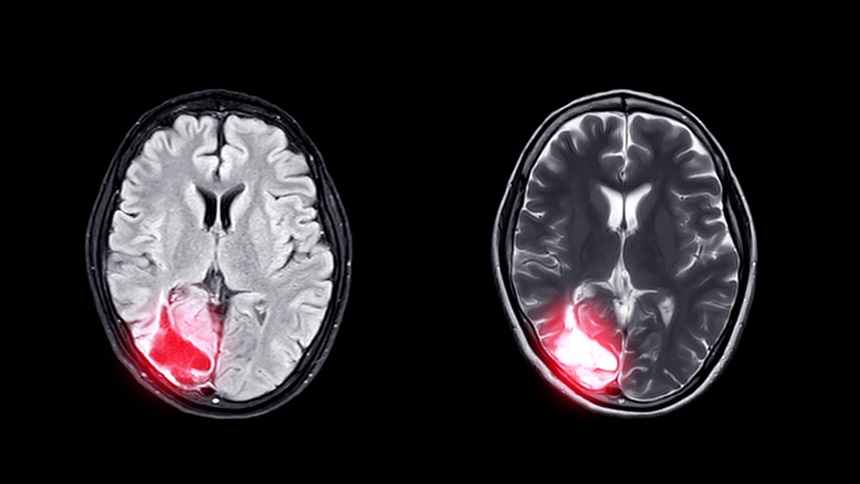
A degenerative disease, CTE causes the death of nerve cells in the brain. The early stages are commonly marked by mental health and behavioural issues, such as depression, anxiety and aggressive tendencies.
As the condition worsens, it increasingly impacts thinking and memory, with symptoms including speech difficulties and problems with movement and balance.
It was American football, or gridiron, that catapulted CTE into the spotlight.
A string of suicides involving former National Football League (NFL) players began with Andre Waters, who died in 2006, followed by Dave Duerson (2011) and Junior Seau (2012).
Autopsies revealed all three had CTE. Then, awareness reached a crescendo with Concussion, a 2015 Hollywood movie based on a true story that saw Will Smith play Dr Bennet Omalu, a Nigerian-born forensic pathologist among the first to publish CTE findings related to NFL players.
However, this disease has not been confined to the United States, the NFL and boxing.
In recent years, cases and lawsuits have sprung up globally. Where billions of dollars have been poured out for compensation in the US, differing policies between sporting codes and countries ensure that claims and settlements remain inconsistent worldwide.
Fade to black
New Zealander Geoff Old, 67, cannot remember a single second of his glittering rugby union career.
That period from the mid-1970s to mid-1980s included a tour of Wales and a tour of France.
It even included the phone call that confirmed him as an All Black — a go-to moment immortalised in the All Blacks Experience in Auckland that shows a compilation of past players sharing their stories.
On a visit to this popular interactive attraction a few years ago, Old broke down when he realised he couldn’t recall his personal experience. For Old, memories have disappeared in much the same way Ernest Hemingway wrote about bankruptcy: “Gradually, then suddenly.”
“Sometimes, and especially in the beginning, it’s not dangerous. It’s just so odd,” says Old’s partner of 20 years, Irene Gottlieb-Old. “It’s like out of the blue. If you think you know [that person], you go, ‘Wow, that’s different’. If it’s making a decision or physically moving from one place to another, [you use] a workaround to get to the same place.” This could be dinner plans, travel destinations or something as simple as what to wear.
Of rugby, she says: “It’s a tough sport. None of them walk in with rose-coloured glasses, but nobody told them they would end up with a brain disease two decades later.”


Related articles

 0.25CIP Points
 Journal Directory
ANZIIF Journal Vol 47, Issue 3 We are excited to present Issue 3 of the...
 1 min read
 0.25CIP Points
 How insurers are using smart-home technology
In short A flooded house was the last thing Melbourne homeowner Ash Grove expected to...
5 mins read
 0.25CIP Points
 How to engage young customers
In short Getting young people interested in life insurance cover for events they don’t expect...
3 mins read
0 Comments