





0.25 CIP Points


Fresh thinking needed on marine cargo insurance
For global shippers and importers of product, the biggest and most costly current risk is delay. With the majority of goods still shipped on the ocean, today’s global supply network is marked by ever-increasing traffic. Added to this, most ports and...
 09 Feb 2023

 4 mins read
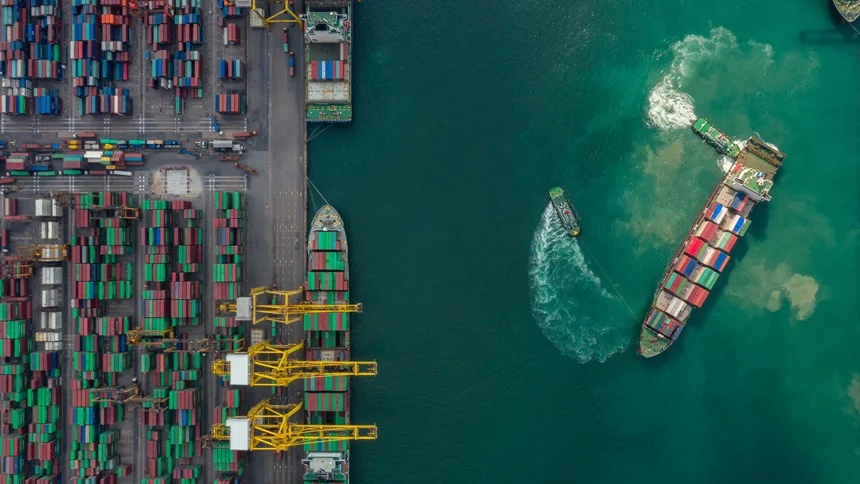
For global shippers and importers of product, the biggest and most costly current risk is delay.
With the majority of goods still shipped on the ocean, today’s global supply network is marked by ever-increasing traffic. Added to this, most ports and terminals struggle with inadequate infrastructure that’s failing to keep up with changing volumes and technology. The inevitable result is ships being held up and the accumulation of cargo.
Clients want to know they’re covered
Cover for the financial losses caused by congestion at the ports is a constant theme for customers, says Neil Hiller, founder and director of Hiller Marine, a company he co-founded in Australia that serves as both an underwriter and a broker.
‘Supply chains have become unreliable,’ he says. Delays caused by a shortage of capacity and port congestion mean clients lose sales or suffer depreciated prices when perishable products finally get delivered undamaged but past their use-by dates.
If cargo is sitting at the port for prolonged periods, the shipper is liable for expenses charged by freight providers and stevedores, which can come as a shock to many insureds with a standard cargo insurance policy.
‘They’re telling me, “I’ve just copped a bill for 50 grand. Am I covered?”,’ says Hiller.
In addition, suppliers are facing inflation, especially higher fuel costs and higher wages. ‘There’s a lot going on in the economy impacting prices for importers and exporters trying to get their goods to buyers overseas,’ says Daniel Morrison, head of Marine Portfolio, National Transport Insurance (NTI).
Unprecedented demand
Over the past 20 years, the size of vessels coming into and out of Australian ports has tripled. While there’s a decline in the number of vessels calling, the number of containers being moved has increased. Unprecedented demand caused by rapid changes to consumer buying habits has exacerbated the issues shippers face.
‘We lose more containers at sea than ever before because we put more containers on vessels and we stack them higher than we did in the past,’ says Morrison.
The pandemic has added further uncertainty to the mix. Fragility and disruption in the supply chain is causing some shippers to rethink their strategy. More are hanging on to stock ‘just in case’ rather than dispatching it to cater for ‘just in time’. ‘Now they’ve got a greater accumulation of goods at their own premises, or they’ve got to manage their own stock, plus their distribution,’ says Morrison.
Sarah Chang, national marine executive at Aon, says many customers are investing more in insurance, paying higher premiums to afford increased sublimits, spending on additional insurance policies to cover the more unconventional risks and incurring costs as a result of not being able to meet the demands of their buyers.

Related articles

 0.25CIP Points
 Journal Directory
ANZIIF Journal Vol 47, Issue 3 We are excited to present Issue 3 of the...
 1 min read
 0.25CIP Points
 How insurers are using smart-home technology
In short A flooded house was the last thing Melbourne homeowner Ash Grove expected to...
5 mins read
 0.25CIP Points
 How to engage young customers
In short Getting young people interested in life insurance cover for events they don’t expect...
3 mins read
0 Comments