





0.25 CIP Points


Insurance risks of COVID-19 vaccines
The development of COVID-19 vaccines has been greeted with a mixture of relief and concern among communities across Asia Pacific. For insurers, they have created new risks and challenges, especially around transport and logistics. ‘There are two concerns,’ says Damon...
 30 Aug 2021

 5 mins read
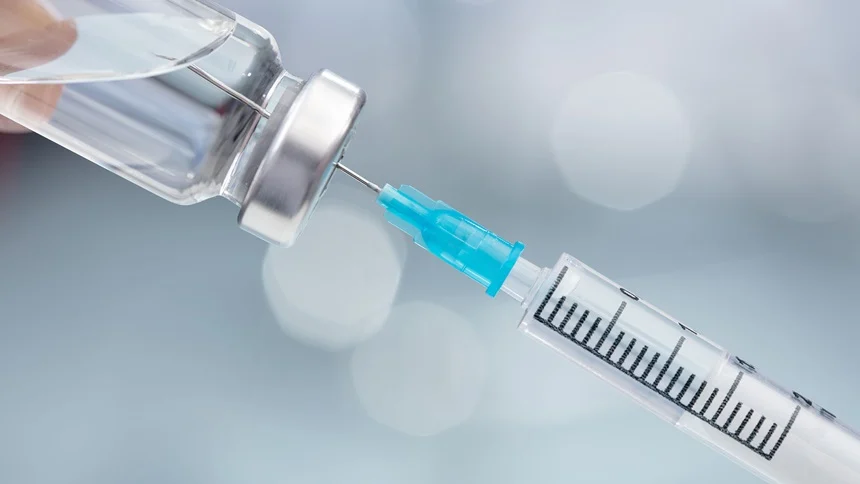
The development of COVID-19 vaccines has been greeted with a mixture of relief and concern among communities across Asia Pacific. For insurers, they have created new risks and challenges, especially around transport and logistics.
‘There are two concerns,’ says Damon Finneran, senior marine risk consultant at Allianz Global Corporate & Specialty (AGCS). ‘Because [some of the vaccines] are kept under super-cold conditions, they are fragile. But extremely low temperatures must be managed so that the vials do not fracture.’
He adds that while AGCS is involved with ultra-cold, 2–8 degrees Celsius and ambient shipments on a regular basis, the current COVID-19 shipments are a challenge because of their sheer volume and the strain their movement puts on the temperature-controlled transportation industry through to last mile distribution.
Major challenges, he says, include supply chain disruptions and a lack of available power units, trailers and aircraft to move this volume in a world that is right now not operating at 100 per cent capacity.
Finneran notes that the logistics and supply chain processes of a vaccine are substantial and can involve multiple methods of transit and storage.
This includes the use of integrated transport providers that specialise in moving ultra-cold, fragile products — trucks and containers are temperature controlled and packaging contains dry ice or cold packs, depending on the temperature range required for the particular vaccine.
‘Additional methods of transit will include trucking in conjunction with air and, with more stable vaccines, also by ocean,’ he says.
‘All methods of transit and packaging of vaccines need to be validated by a governmental body, such as the Food and Drug Administration in the United States, to preserve the cold chain from origin to destination.’
Chris Mackinnon, Lloyd’s regional head of Australia & New Zealand, says the complexities of vaccine logistics mean that goods can spoil easily if not properly maintained, especially where infrastructure is weak.
He says developing markets in Asia Pacific and elsewhere have been disproportionately affected and doubly challenged by the complexity.
‘That complexity, driven by poor infrastructure, challenging access to tracking data and limited risk management knowledge, brings the added difficulty of high premiums and unfavourable terms and conditions,’ says Mackinnon.
‘The consequence might be that critical shipments are moving through the supply chain with inadequate coverage or even no coverage at all.’
CRIMINALS GET IN ON THE ACTION
In addition to transport and logistics risks, the threat of criminals becoming involved in the vaccine rollout is a problem. Indeed, international freight insurer TT Club has warned all players in the global supply chain to be increasingly alert to this.
From theft and illegal sale of authentic vaccines to counterfeiting, substitution with fake pharmaceuticals and contamination, the threats posed by criminals attempting to take advantage of this high-value cargo are widespread, says Mike Yarwood, TT Club’s managing director of loss prevention.
‘It is probable that the market for counterfeit pharmaceuticals is worth US$400 billion a year, and the World Health Organization estimates that up to one million people die annually from counterfeited drugs,’ he says, noting these figures are likely to grow.
Yarwood says multiple incidents of crime have already been reported. For example, two counterfeiting organisations focusing on COVID-19 vaccines were recently broken up. In one case, more than 3,000 saline-filled vials being sold as authentic vaccines were seized in Chinese police raids.
In the other case, 400 vials containing fake vaccine — the equivalent of around 2,400 doses — were discovered in a warehouse in South Africa.
In both examples, the counterfeit goods were confiscated and arrests made, but it remains unclear how many other fakes had already been manufactured and shipped elsewhere.
Yarwood adds that a range of COVID-19 vaccines has been posted for sale on the dark web. The prices, in bitcoin, range from US$250–300. He says there’s no way to determine whether these vaccines are genuine, or even exist at all, placing potential users at huge risk.

Related articles

 0.25CIP Points
 Journal Directory
ANZIIF Journal Vol 47, Issue 3 We are excited to present Issue 3 of the...
 1 min read
 0.25CIP Points
 How insurers are using smart-home technology
In short A flooded house was the last thing Melbourne homeowner Ash Grove expected to...
5 mins read
 0.25CIP Points
 How to engage young customers
In short Getting young people interested in life insurance cover for events they don’t expect...
3 mins read
0 Comments