





0.25 CIP Points


Catastrophe risk has changed. Our models must too.
In short Catastrophes are now frequent, interconnected and cumulative, not isolated extreme events Historical loss models are increasingly unreliable in a volatile, non-linear risk environment Non-peak perils are driving the majority of losses and reshaping tail risk Risk management must...
 10 Feb 2026

 2 mins read

In short
- Catastrophes are now frequent, interconnected and cumulative, not isolated extreme events
- Historical loss models are increasingly unreliable in a volatile, non-linear risk environment
- Non-peak perils are driving the majority of losses and reshaping tail risk
- Risk management must shift from transfer-first to preparedness-first
- Capital markets are becoming essential partners in catastrophe resilience
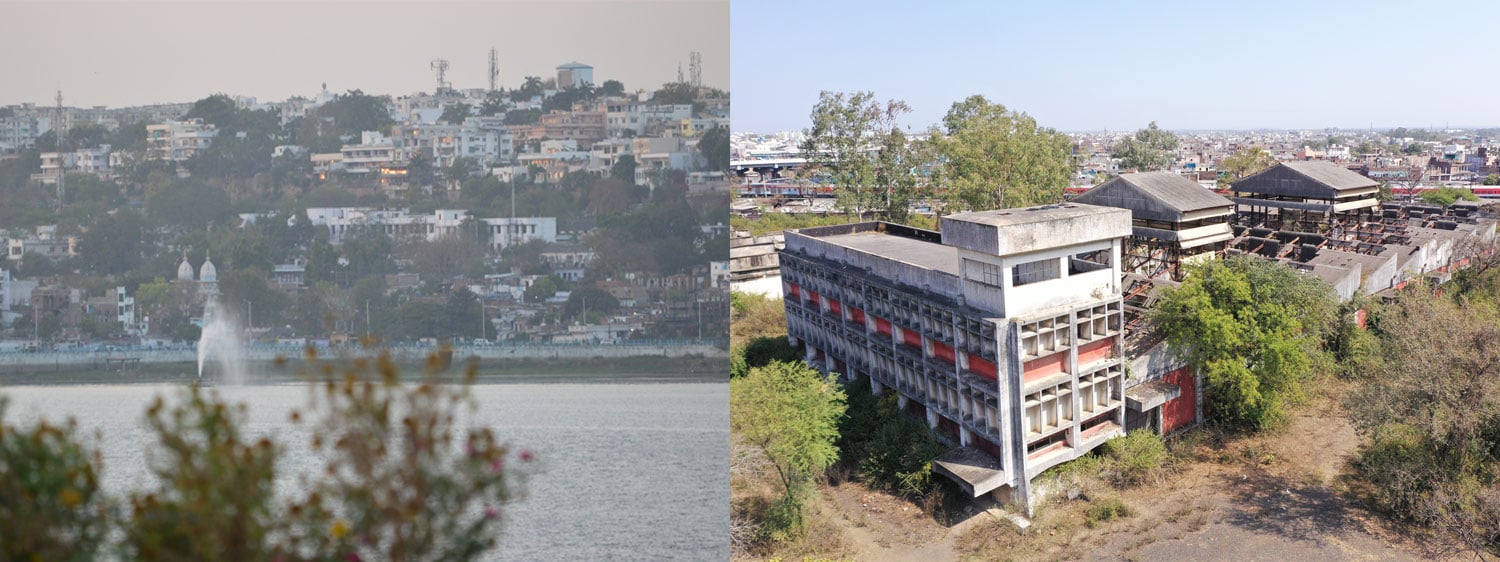
Images: Bhopal Gas Tragedy site, Bhopal India
For decades, catastrophes were defined by low frequency and high severity.
Today, that definition no longer holds. Losses now unfold through repeated, correlated and compounding events, particularly from non-peak perils such as floods, severe convective storms and wildfires.
Individually, these events may appear manageable. Collectively, they create systemic loss patterns that strain capital, erode resilience and challenge traditional diversification assumptions.
The risk landscape has not simply grown larger; it has become qualitatively different.

0 Comments