





0.25 CIP Points


How is New Zealand driving resilience?
The New Zealand Government is working on schemes to improve the country's resilience to natural disasters and its ability to recover from them. Building a nation’s resilience to natural disasters can have massive financial and social payoffs in the aftermath...
 18 Feb 2024

 3 mins read
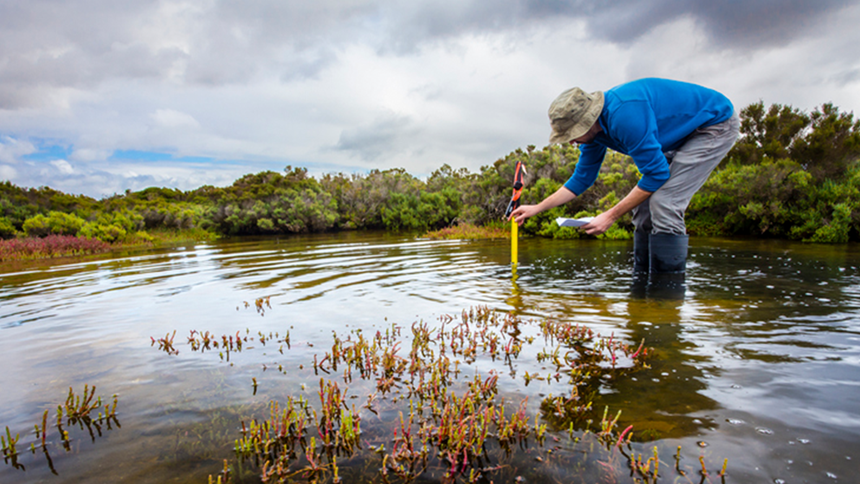
The New Zealand Government is working on schemes to improve the country’s resilience to natural disasters and its ability to recover from them.
Building a nation’s resilience to natural disasters can have massive financial and social payoffs in the aftermath of such events.
Every NZ$1 invested in flood resilience, for example, can save NZ$6 in post-event costs, according to the Insurance Council of New Zealand Te Kāhui Inihua o Aotearoa (ICNZ).
Head of Risk Reduction and Resilience at New Zealand’s Natural Hazards Commission (NHC) Toka Tū Ake, Sarah-Jayne McCurrach, says the organisation spends about NZ$10 million a year researching the impacts of natural hazards and the natural hazard risks that New Zealand faces, to help build the country’s resilience to such events.
In its May 2024 Budget, the New Zealand Government announced a new NZ$1.2 billion Regional Infrastructure Fund, which includes an initial NZ$200 million for flood resilience infrastructure and projects.
“While we see councils as responsible for flood protection, this fund will provide valuable one-off support to address critical gaps across the country,” said Regional Development Minister Shane Jones when making the announcement.
At the time, ICNZ noted that reducing risks to homes and communities before disaster strikes was vital to helping to make insurance affordable and accessible.
“In the first National Climate Change Risk Assessment, the Ministry for the Environment reported that 72,000 people and 49,700 buildings are currently exposed to coastal flooding while 675,000 people and 411,500 buildings are currently exposed to inland flooding,” says Sean Fullan, ICNZ resilience and recovery manager.
“Investment in mitigation and adaptation measures is critical to protect lives and property and prevent significant disruption to individual and community wellbeing and the economy.”
Turning research into action
A key part of the NHC’s role is to translate both internal and external research into tools and products that can be used to reduce risk and build resilience.
“Whether that is councils or government agencies that are designing policy, or even back to researchers, a key part is how we translate science and evidence into action, ensuring that we have evidence-based, risk-based decision-making for natural hazard risk management in New Zealand,” says McCurrach.


0 Comments