





0.25 CIP Points


Motorsports: Who covers the spectators?
The risk in motorsport is relatively obvious for drivers and officials. But what about the spectators, who sometimes find themselves in perilous situations? At the June 2021 Finke Desert Race in central Australia, eight people had to be medically evacuated....
 28 Feb 2024

 3 mins read
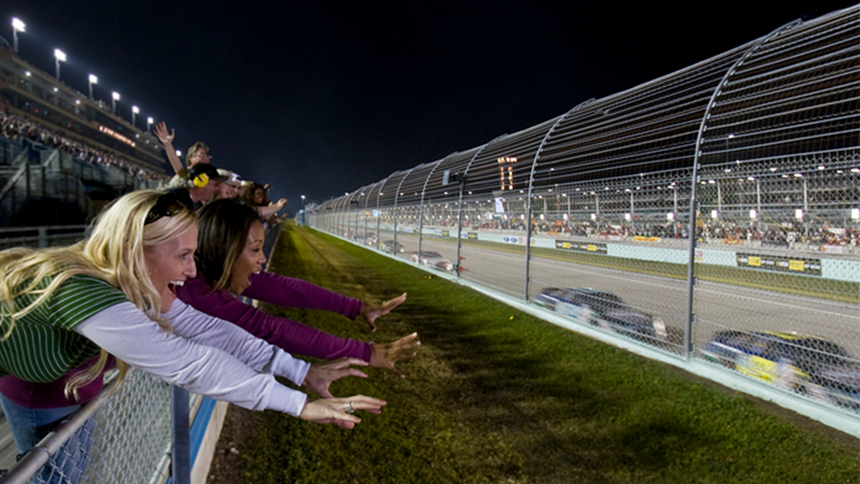
The risk in motorsport is relatively obvious for drivers and officials. But what about the spectators, who sometimes find themselves in perilous situations?
At the June 2021 Finke Desert Race in central Australia, eight people had to be medically evacuated. Some were competitors, victims of motorcycle and car crashes. But several were spectators.
There was also one death at that event. Nigel Harris, a 60-year-old retired public servant and Royal Australian Navy veteran was killed when he was struck by a car that had left the track. Two others — a male spectator and the female navigator of the vehicle, both in their 50s — were hospitalised.
A few years later, at the November 2023 LOO5ENATS burnout event in Stawell, Victoria, 18-year-old Trent Dezoete was killed when the driver of a car on the burnout pad lost control and careened into a spectator-only barbecue area.
The motorsport world, no stranger to injuries and fatalities on the track, has come a very long way since what is broadly considered to be its darkest day: a major crash in 1955 at the 24 Hours of Le Mans motor race in France.
At that event, when one car hit another from behind and was launched into the air at high speed, French driver Pierre Levegh and 83 spectators were killed, and another 120 were injured.
Thankfully, spectator risk has dramatically declined since the implementation of a continuously rolling set of safety improvements at motorsport event locations in Australia and around the globe.
So, how does this work? And as accidents still happen, who is responsible when a spectator is hurt or killed?
Building safety into motorsport events
Motorsport sanctioning bodies in Australia put together programs for different types of events and submit those events to a broker, who then submits those programs to an underwriter.
“We invariably are represented at renewal time and negotiate with the underwriters,” says Stephen Whyte, CEO of Australian Auto-Sport Alliance (AASA).
“We explain to the underwriters what may have changed and what risk mitigation we’ve implemented, and various other reasoning around what sort of a year it has been and how we’re moving forward.
“It’s important for all of our stakeholders, including the underwriters, to understand what our business process is.”


0 Comments